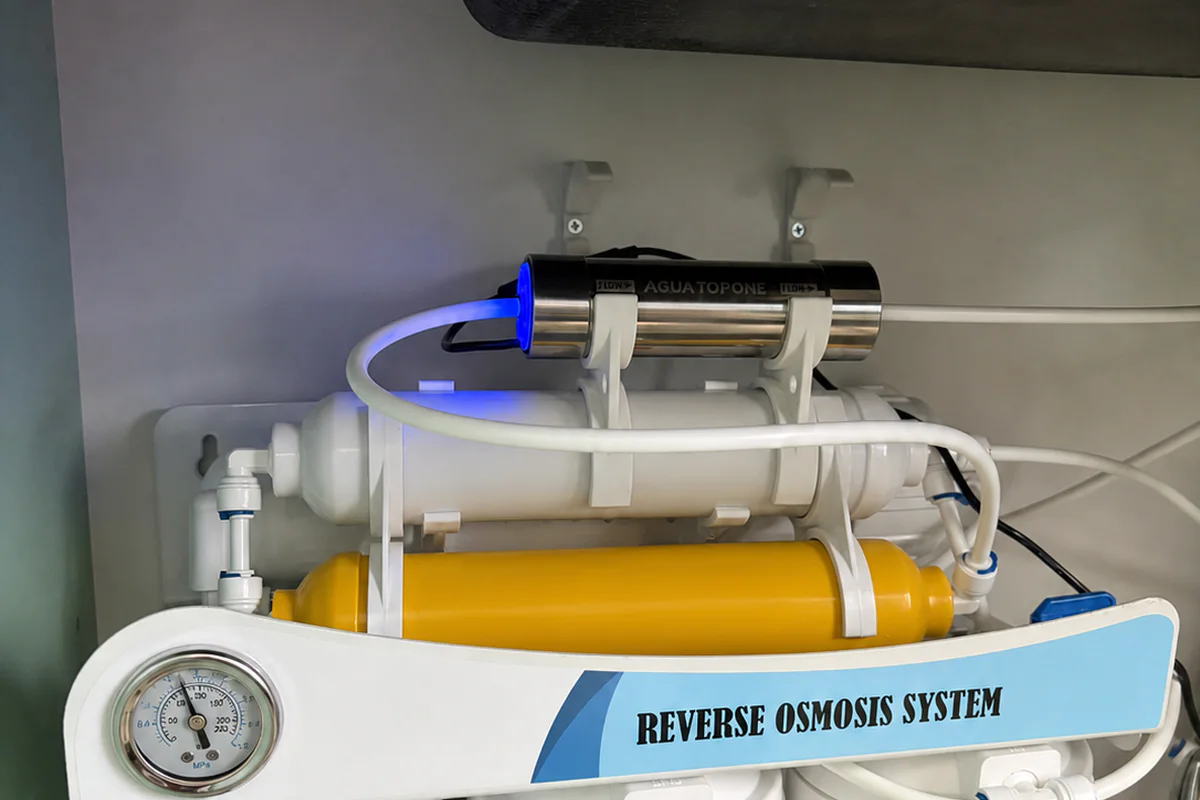
RO / Under-sink UVC LED integration
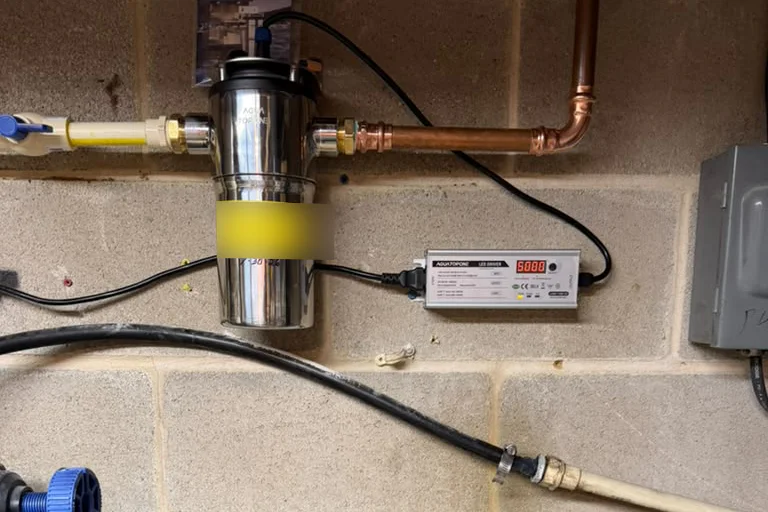
Use a compact point-of-use UVC LED stage after the treatment train when the project needs final-stage microbial control. Confirm real peak flow, fittings, storage-tank layout and sampling point.
Application-first system selection
Choose a UVC LED water-treatment route from the real application, peak flow, water quality and installation conditions—not from a product name alone. This hub connects common projects to the right selection, evidence and support pages.
Application routes
These routes cover current Agua Topone POU, POE, VPS and OEM/ODM capabilities. They are selection starting points, not a promise that one model fits every installation.
Use a compact point-of-use UVC LED stage after the treatment train when the project needs final-stage microbial control. Confirm real peak flow, fittings, storage-tank layout and sampling point.
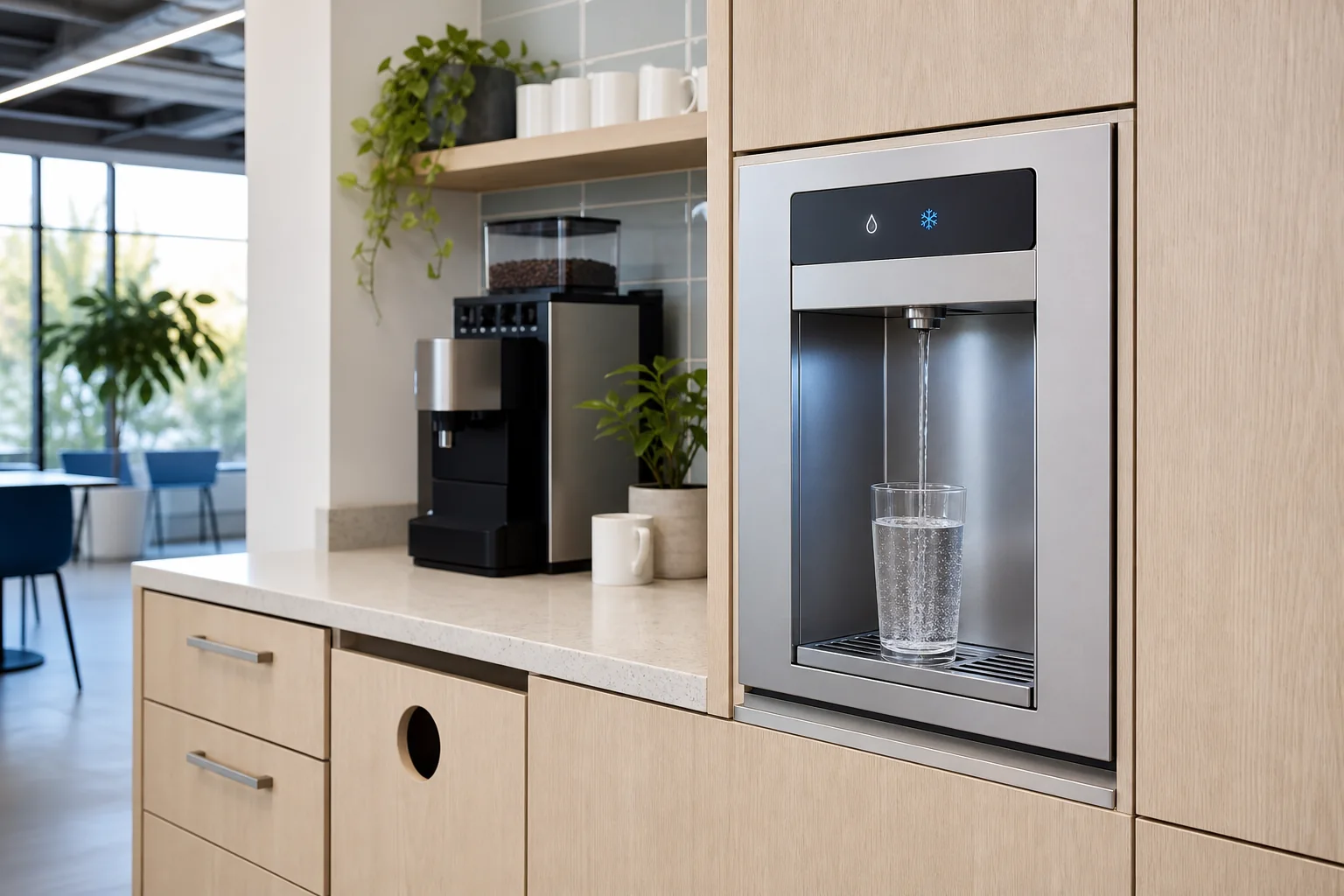
Integrate a compact module into dispensers, coolers, ice makers, coffee equipment or vending platforms. Check low-flow activation, duty cycle, power, thermal conditions and service access.
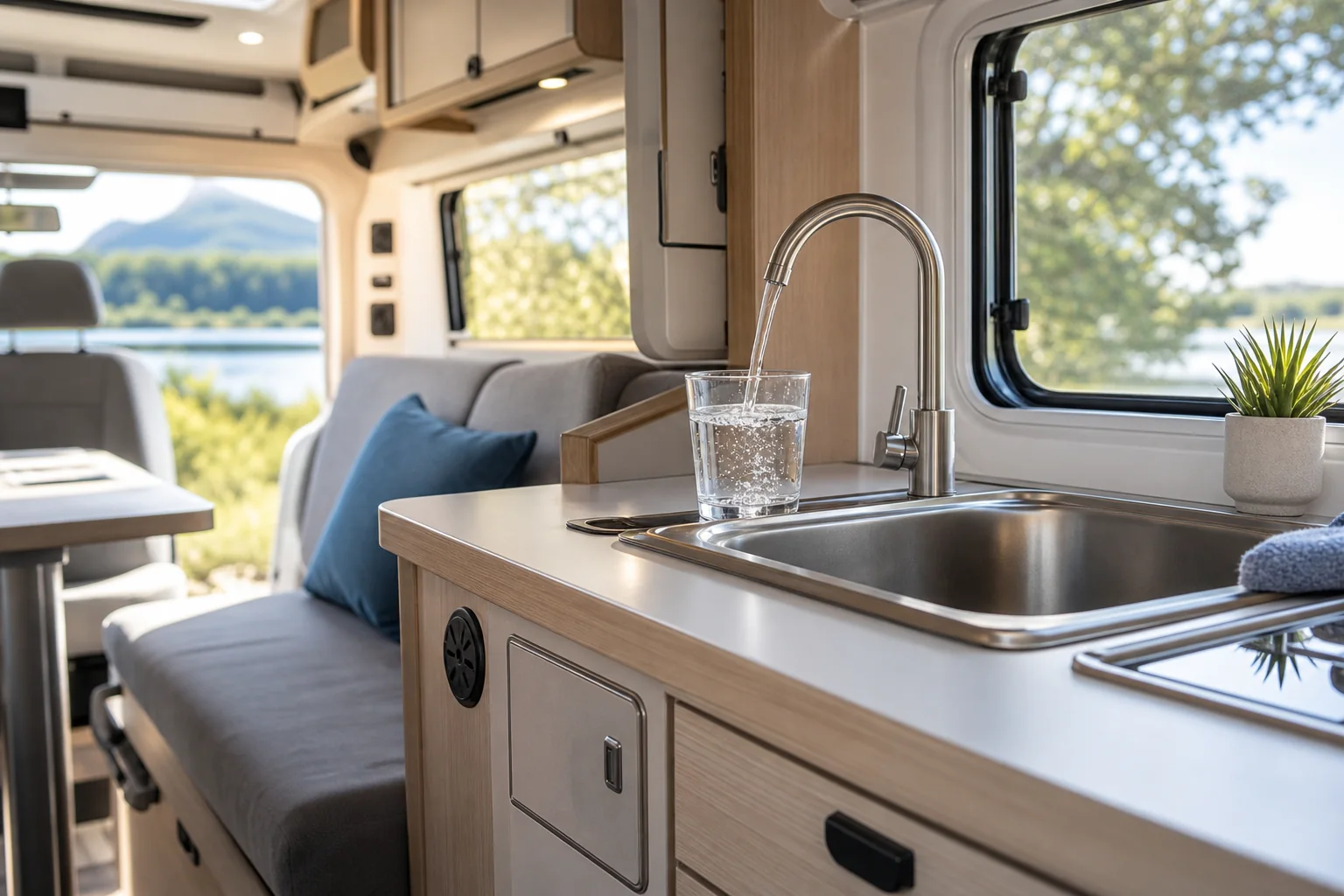
Plan around tank water, intermittent use, vibration, freezing risk, 12/24 VDC architecture and restricted installation space. Final model selection requires the exact hydraulic and electrical layout.
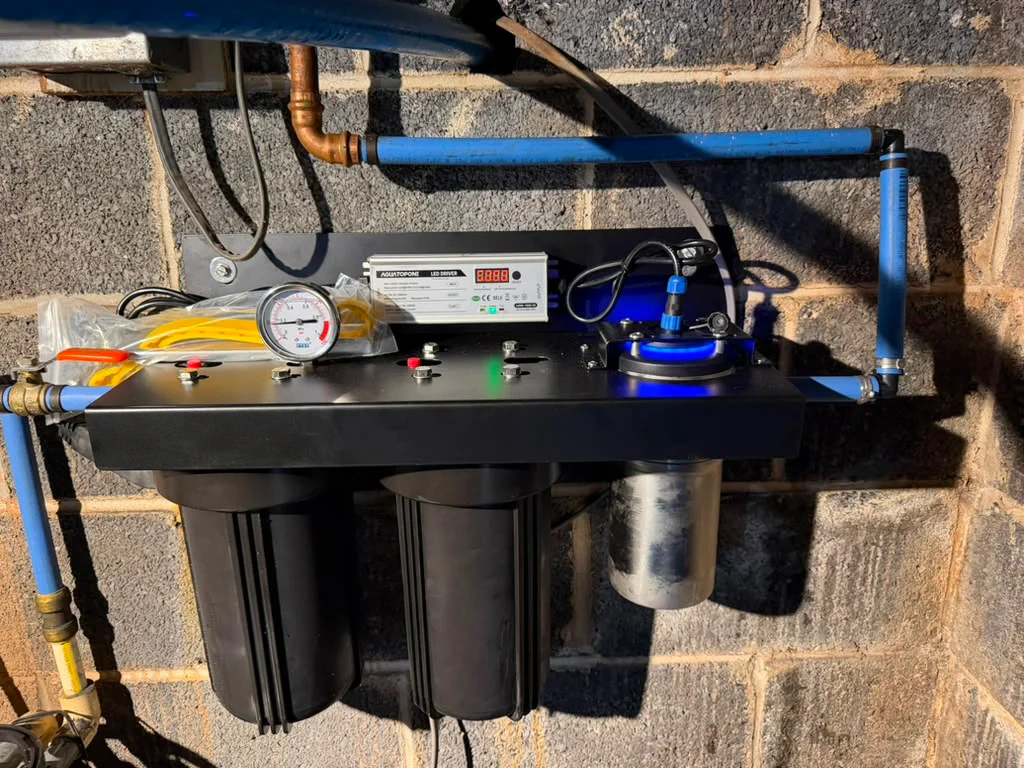
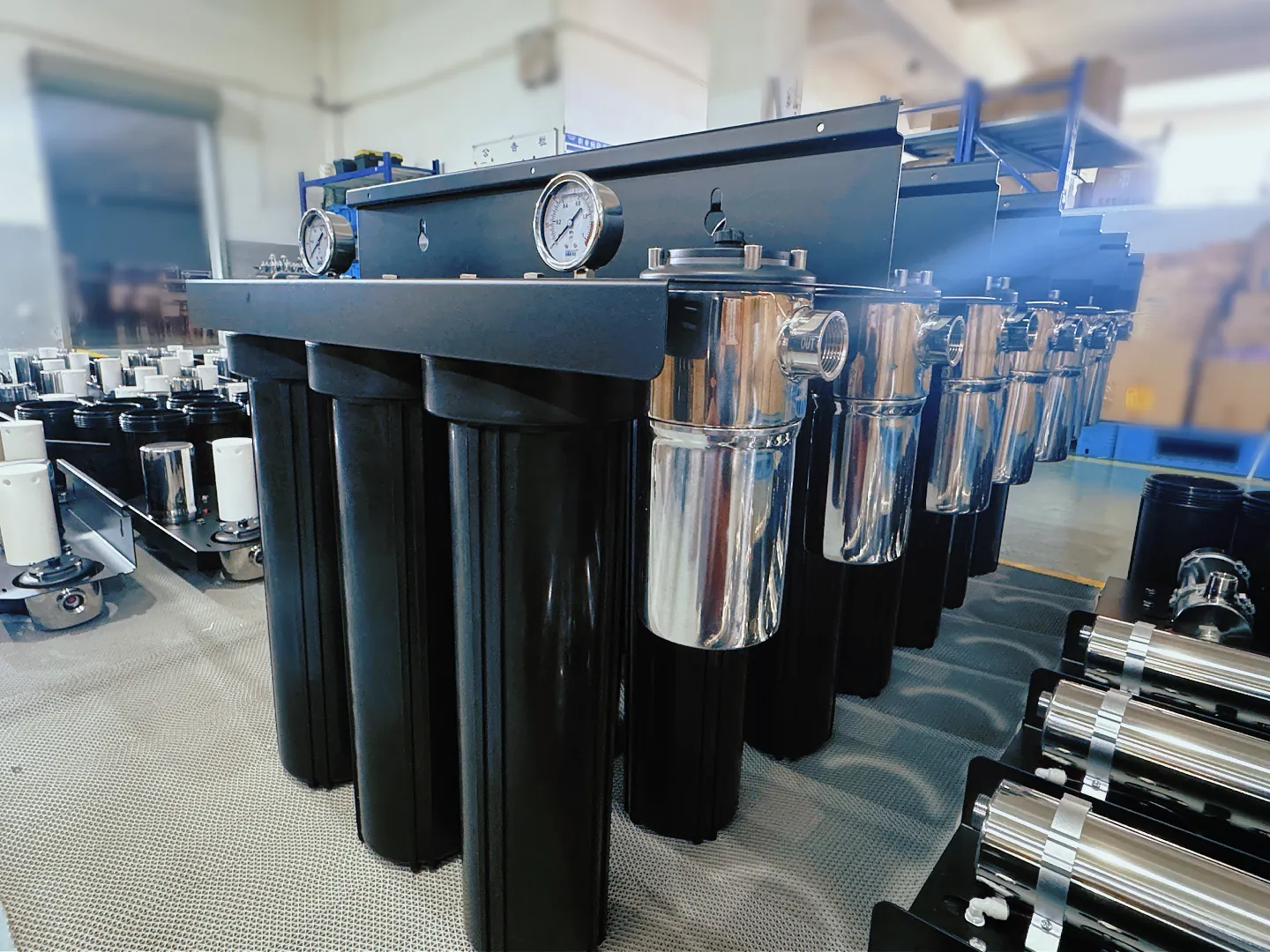
Match peak household flow, UVT, source-water quality and pretreatment to a POE reactor or an integrated VPS filtration-and-UVC platform. UVC does not replace sediment, iron, hardness or turbidity treatment.
Start with a water analysis, then plan pretreatment, UVC dose conditions, downstream plumbing disinfection and post-installation verification. Do not choose from flow alone.
Define the appliance, water path, target market, control logic, enclosure, validation plan and production acceptance criteria before freezing a custom module or system.
Project assessment
Provide peak—not average—flow, inlet pressure, acceptable pressure drop, connection size and the operating pattern.
Identify municipal, well, rainwater, tank or treated water. Include UVT or the available analysis for turbidity, iron, hardness and other relevant parameters.
Share installation orientation, envelope, voltage, flow signal, start-stop logic, ambient and water temperature, drainage and service clearance.
State the destination market, required certifications, test evidence, labels, manuals and any customer-specific acceptance criteria.
Share prototype quantity, expected order range, timing and whether the request is a standard product, private label or engineered integration.
Match any microbial result, material document or certification to the tested model, sample, water conditions, method and stated scope.
Treatment boundary: filtration and UVC have different roles. Sediment, turbidity, iron, hardness, colour and chemical contaminants may require pretreatment; a UVC stage provides no residual disinfectant in downstream plumbing.
Continue by evidence
Use the product selection hub to compare POU modules, POE reactors, VPS systems and OEM routes.
Use Testing & Validation for model-specific evidence and Certifications & Compliance for document applicability.
Use Case Studies to review current integration examples without assuming the same configuration applies to a new project.
Common questions
Start with the actual dispense or product-water peak flow, fitting size, storage-tank arrangement, power and service space. A compact POU module is usually the starting route, but the final model depends on those conditions.
Not reliably when water quality falls outside the selected system limits. Test the water first and add the required sediment, iron, hardness or other pretreatment before sizing the UVC stage.
Send the application, peak flow, source-water data or UVT, pressure, temperature, connections, voltage and controls, installation envelope, target market, required evidence, quantity and timeline.
Send the operating conditions and target market. Agua Topone can route the request to a current product family or identify the remaining OEM engineering and validation work.